Are you one of those people who thinks a lot about health? Who is always trying to read more and learn more about healthy living and how best to help yourself? Are you always following the latest research, currently ‘eating keto’, drinking bullet-proof coffee or ‘drowning in green juice’? Yet somehow you still don’t feel that great? Are still tired or sick or just can’t sleep?
Can I make a suggestion? Step out of the ‘health-race’ for a while. Take a break from trying to make yourself well, from paying someone else to heal you, from taking supplements or shakes to make you whole. Instead, take some time to just be yourself.
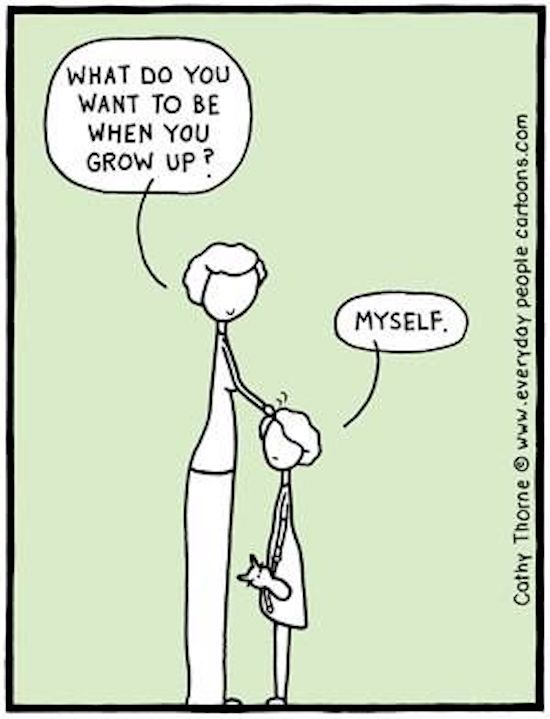
Healing starts when you let yourself be yourself.
Every time I have seen a genuine, life-changing shift in a person’s health, it has always started with them accepting themselves for who they are, accepting their illness, accepting their injuries and accepting their scars. As Brené Brown says:
“Owning our story can be hard but not nearly as difficult as spending our lives running from it.”
Brené Brown
The word heal is derived from the Old English word hāl, meaning whole. If you feel you are not whole, that you are broken in some way; or if you deny, suppress or ignore a part of you then how can you expect to be well?
I know that sometimes it is incredibly painful to acknowledge what has happened in life (be it a great loss, trauma or difficult upbringing), but everything that happens to us makes us who we are.
Do you think that maybe, instead of taking another pill or following a new diet, it is time for you to stop, look at where you have come from and congratulate yourself for getting through it? Stop and say well done to yourself.
Acknowledge that above all you are a survivor.
What could be more futile, more insane, than to create inner resistance to what already is? …. Say “yes” to life — and see how life suddenly starts working for you rather than against you.”
When discussing hormones it’s difficult to know where to begin. We could start by looking at different disorders related to hormonal problems: for example premenstrual syndrome, menopausal problems, infertility, thyroid disorders, weight problems, depression, chronic fatigue….the list is endless.
Or we could start by looking at different treatment options and how they work. For example, medication or supplements.
Yet personally, I think the best place to start is by looking at your day-to-day life and working out why your hormones aren’t behaving as best they should. Often it is because you are simply ignoring (or avoiding) at least one of the basic rules of good health:
manage your stress
eat well
sleep well
exercise well.
So simple to say yet actually so difficult to follow!
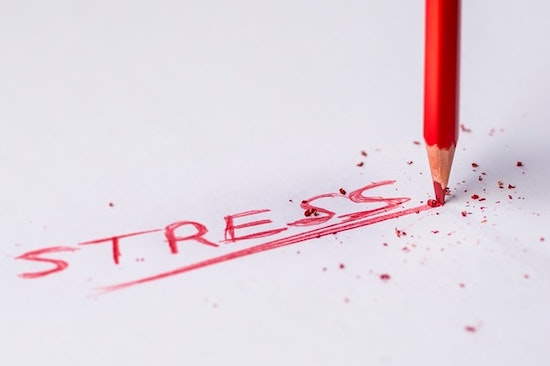
Over the next few blogs I’m going to cover what really damages your hormonal cycles. Today we start with something that most of us struggle with on a day-to-day basis – stress.
Manage your stress.
I know it is easier said than done, but chronic stress wreaks havoc on your hormones and if you have a hormonal problem you really need to assess your stress levels and ability to cope with stress.
Eating well, exercising regularly, giving yourself “time-out” and also facing what is causing stress in your life are absolutely vital to the health of your hormones.
Stress, cortisol and the “pregnenolone steal”
The primary hormone your body releases in times of chronic stress is cortisol. The building block for cortisol is pregnenolone, which happens to be the same building block for your sex hormones (oestrogen, progesterone, testosterone).
If you have chronically high cortisol levels from stress you will not produce sufficient quantities of sex hormones and so can suffer from imbalances such as infertility, menstrual disorders, mood swings and low libido.
Stress, cortisol and your blood sugar levels
One of the functions of cortisol is to raise your blood glucose levels. However, constantly high levels of glucose in your blood stream lead to insulin resistance and the effects of insulin resistance include fatigue, increased appetite, abdominal weight gain, and eventually Type II Diabetes Mellitus.
Stress, cortisol and insomnia
In addition, chronically high levels of cortisol will upset your sleeping patterns. Cortisol is released in a cyclical rhythm, peaking in the mornings at approximately 8am and then waning in the afternoons, between 3-4pm.
This rhythm enables you to get up and function in the mornings and then relax and ‘switch off’ at the end of the day. If, however, cortisol is constantly being released into your bloodstream due to ongoing stress, then this natural rhythm and hence your sleeping rhythms become displaced.
High levels of cortisol circulating in your blood stream in the middle of the night means you will be wide awake in the middle of the night. And when these levels crash early in the morning you will too.
So dealing with stress is of paramount importance to the general functioning of your hormones.
What is important to be aware of is that chronic stress comes in many forms, not just the obvious emotional, financial, relationship, work stress that we are all so aware of – long term illness, injury, pain or inflammation are also stressors to the body, raising cortisol levels and disrupting our hormonal balance.
What can you do to help yourself through menopause? Firstly, and most importantly, understand and accept what is going on in your body.
As the saying goes: “If you decide to meet age with a smile, you greatly enhance your chance that it will smile back on you”[i].
Previously, research showed that Japanese women experienced very few symptoms of menopause and it was thought that this was due to their diet and lifestyle. However, newer research indicates that these women experience the same physical symptoms as Western women yet they are not so negatively affected by these symptoms. British women, on the other hand, seem to experience the worst menopausal symptoms[ii].
Researchers now put this down to a woman’s status in society and her quality of life – in cultures where age is respected and older women are valued, menopause is not such a negative experience. However, in the youth-obsessed cultures of the West, the emphasis of menopause is on loss, rather than on transition and hence menopause is considered more of a disease than a normal stage of life[iii].
Peri-menopause
For up to 6 years before menopause, oestrogen and progesterone levels start to decline and you experience surges of hormones, never knowing what is going to happen next or how you are going to feel. Your periods become irregular, scanty or heavier, and PMS often becomes more severe and uncontrollable.
During this time it is not only your oestrogen levels that are changing, but your progesterone levels are also declining.
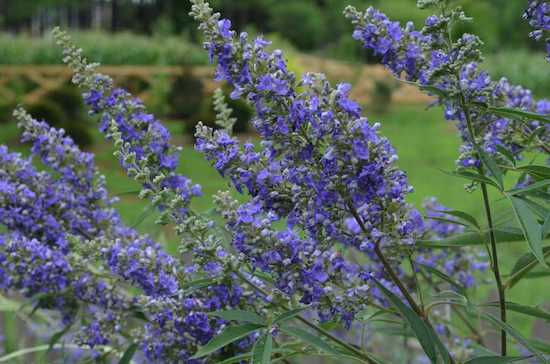
At this stage the herb Chaste Tree (Vitex agnus-castus) is invaluable as it has an indirect progesteronic action and helps normalise your menstrual cycle and decrease your PMS symptoms[iv].
Please note – it is always best to consult a professional phytotherapist or herbalist before using herbs as they have strong effects and can negatively interact with medication that you might be using.
Menopause
Cimicifuga racemosa, Dioscorea villosa, Salvia officinalis and Tribulus terrestris
Hot flashes, vaginal dryness and decreased energy levels often develop during menopause. If these are your main symptoms, then herbs such as Cimicifuga racemosa, Dioscorea villosa, Salvia officinalis or Tribulus terrestris can help. These herbs all work very deeply and can help your body find its new equilibrium.
Evening primrose oil
In addition to herbs, an Evening Primrose supplement can be beneficial for your hot flashes, dry skin, mood swings and vaginal dryness. If vaginal dryness or itching is particularly bothersome, then pure vitamin E oil or aloe vera gel can also be used to lubricate the area.
Diet & Lifestyle
You should try to avoid alcohol, caffeine and spicy foods during menopause as they are known to trigger hot flushes and aggravate urinary incontinence.
From as early an age as possible, you should also start trying to decrease your risk of osteoporosis by avoiding smoking, doing weight-bearing exercises and eating foods rich in calcium, such as dairy products, tinned fish, sesame seeds and leafy greens.
Menopause & depression
If you develop depression during menopause it is vital that you get some professional help instead of trying to help yourself. In addition to professional help, aromatherapy oils such as rose, bergamot, clary sage, neroli or ylang ylang are very “feminine” and “nurturing” oils that can help calm and relax you.
This blog is adapted from one of my published articles in: The South African Journal of Natural Medicine, May 2017
It is easy to say that the symptoms of menopause are merely a state of mind until it actually happens and you feel there is absolutely nothing you can do to help yourself.
It is also easy to say to yourself that all of this is part of the natural process of your life, that you are not alone and that every single woman on earth goes through this at some stage in their life. Yet when these symptoms continue year after year it really is not that easy!
What is menopause?
Menopause is the permanent end of your menstrual periods and it generally occurs in women aged 45-55 years.
It occurs when your ovaries stop functioning cyclically and so stop producing the hormones oestrogen and progesterone. Ovarian function slows and changes over a number of years before menopause and this stage is called peri-menopause. One year after your last period you will be ‘post-menopausal’.
“So many women I’ve talked to see menopause as an ending. But I’ve discovered this is your moment to reinvent yourself after years of focusing on the needs of everyone else. It’s your opportunity to get clear about what matters to you and then to pursue that with all of your energy, time and talent”.
Oprah Winfrey
What are the symptoms of menopause?
Common symptoms of menopause include:
hot flushes
mood swings
insomnia
headaches
weight gain
bloating
vaginal dryness
dryness of skin and hair.
What is happening to your hormones during menopause?
From puberty to menopause, your ovaries produce the majority of oestrogen in your body. This oestrogen is called estradiol. Your ovaries also produce the corpus luteum which secretes the hormone progesterone.
The ovaries are, therefore, vital to the production of your two most important sex hormones – oestrogen and progesterone. As you age your ovaries shrink and there is a rapid decrease in these hormones, especially oestrogen.
Although we curse oestrogen during our menstrual years, it has many protective functions in our bodies and, unfortunately, it is only once we lose it that we appreciate its importance. Once oestrogen levels decline we are more at risk for specific disorders such as cardiovascular disease, osteoporosis, urinary tract infections, thrush and even depression.
What does oestrogen do?
Oestrogen plays many roles in your body. It:
Is responsible for your female sexual characteristics such as your breasts, widened hips and bodily-hair distribution.
Helps regulate your reproductive cycle, as well as your fluid and electrolyte balance.
Helps lower your blood cholesterol.
Helps build strong bones and muscles through a process known as protein anabolism
Together with progesterone, it prepares your body for pregnancy and breast-feeding.
So when this incredibly valuable hormone decreases significantly it is not surprising that you feel as if your body is going a bit mad:
your bone density declines and your risk of osteoporosis or bone fractures increases
your firm breast tissue is replaced by adipose tissue (fat)
the pH of your urine changes so you become prone to urinary tract infections and symptoms such as frequency, urgency or incontinence even when there is no actual infection
the tissue lining your vagina thins and smooths resulting in vaginal itching, dryness and pain during sex
your pelvic floor muscles weaken resulting in prolapses of pelvic organs or uncomfortable sensations of “heaviness” in your vagina and lower back
and most commonly, you become prone to depression and vasomotor symptoms such as flushing or hot flashes.
Gosh it is quite depressing just writing all that !!!
Menopause & depression
A symptom of menopause that is often overlooked, yet very common, is depression.
Oestrogen affects serotonin receptors and transporters in the brain and it is also thought to be neuroprotective, having positive effects on memory and cognition. When oestrogen levels decline you become more prone to low moods or depression.
Add to these physiological changes the emotional and mental changes that accompany menopause as well as a lack of sleep often brought on by hot flushes at night, and it is not surprising that menopause really is a difficult time.
However, despite the unpleasant physiological changes you experience during menopause, it does help to remember that it is also a liberating time in which you are finally free of your monthly periods and the responsibilities they bring…we need to look on the bright side!
This blog is adapted from one of my published articles in: The South African Journal of Natural Medicine, May 2017





 Site Title